“What denomination are you?” is one of those questions that can feel surprisingly hard to answer — especially if you didn't grow up in church or if the church you grew up in was simply “the church your family went to.” Here's a practical, non-judgmental overview of the major denominations and what makes each one distinct.
Catholic
The largest Christian denomination worldwide. Catholic worship centers on the Mass — a structured liturgy with communion (the Eucharist) at its heart. Catholics follow the Pope as the head of the church and hold tradition and Scripture as co-equal authorities. Expect: formal liturgy, weekly communion, saints, confession, and rich visual symbolism. Most parishes offer Saturday evening Vigil Mass and multiple Sunday Masses.
Baptist
Baptists emphasize personal faith, adult baptism by immersion, and the authority of Scripture alone. Services typically include expository preaching (verse-by-verse Bible teaching), congregational singing, and an invitation or altar call. Many Baptist churches run Sunday School before the main service and a Wednesday night prayer meeting. The Southern Baptist Convention (SBC) is the largest Baptist group in the US.
Methodist
Founded on the teachings of John Wesley, Methodists balance personal holiness with social justice. Worship ranges from traditional (hymns, organ) to contemporary (band, screens) — many churches offer both styles. The United Methodist Church (UMC) is the largest Methodist body. Methodists practice infant baptism and open communion.
Lutheran
Tracing back to Martin Luther and the Reformation, Lutherans emphasize salvation by grace through faith. Services are liturgical — structured readings, hymns, creeds, and communion most Sundays. The two main US bodies are the ELCA (more progressive) and the LCMS (more traditional). If you appreciate reverent, structured worship with deep theological roots, Lutheran churches are worth visiting.
Presbyterian
Part of the Reformed tradition, Presbyterians are known for careful theology and orderly governance (led by a board of elders, not a single pastor). Worship is typically reverent and Word-centered. The PCA tends to be more conservative; the PCUSA more progressive. Expect: thoughtful preaching, communion monthly, and a strong emphasis on education and missions.
Episcopal / Anglican
If you love liturgy but want something less formal than Catholicism, the Episcopal Church might be your fit. Services follow the Book of Common Prayer with readings, prayers, hymns, and weekly Eucharist. The aesthetic is often beautiful — stained glass, robes, candles — and the theology tends toward the progressive side.
Pentecostal / Assembly of God
Pentecostal churches emphasize the gifts of the Holy Spirit — speaking in tongues, healing, prophecy. Worship is energetic: expect a full band, extended singing, and expressive prayer. Services often run longer (90+ minutes). The Assemblies of God is the largest Pentecostal denomination. If you want worship that feels alive and emotionally engaging, this tradition delivers.
Non-Denominational
The fastest-growing category. Non-denominational churches are independent — they aren't part of a larger governing body. Worship is usually contemporary (band, projectors, casual dress). Theology varies widely, so it's especially important to read the church's statement of faith. Many of the largest churches in America (like Life.Church, Elevation, and Saddleback) are non-denominational.
Church of Christ
Churches of Christ are distinctive for their a cappella worship — no musical instruments, just voices. They emphasize New Testament simplicity, baptism by immersion for salvation, and weekly communion. Governance is by local elders with no denominational hierarchy.
Seventh-day Adventist
Adventists worship on Saturday (the Sabbath), not Sunday. They emphasize health, education, and the second coming of Christ. Many Adventists follow vegetarian diets as a health principle. Services include Sabbath School (Bible study) followed by the Divine Service.
Which one is right for you?
There's no formula. Some people choose a denomination based on theology. Others choose based on worship style, community feel, or proximity. Many people visit several denominations before landing somewhere — and that's perfectly fine.
The best advice: visit at least two or three different types of churches. Pay attention to how you feel during worship, whether the teaching resonates, and whether the people feel like your people. The right church is the one where you can grow.
Not sure where to start?
Browse every denomination on NearFaith's denomination directory, take our 2-minute church match quiz for a personalized shortlist, or use Discover to filter churches by tradition, groups, and schedule to see what fits.
Related Articles
Understanding Different Worship Styles
Contemporary, traditional, liturgical, charismatic — what each style actually looks and feels like.
10 Questions to Ask When Visiting a New Church
A practical checklist for evaluating whether a church is right for you.
How to Find the Right Church for Your Family
A step-by-step guide to help families find a church that genuinely fits.
Ready to find your church?
Search thousands of churches by city, zip code, or denomination.
Find a Church Near You →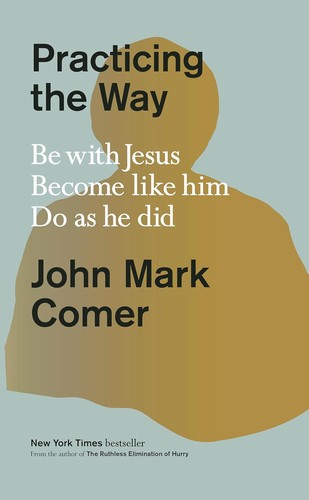
Practicing the Way — John Mark Comer
A field guide to actually becoming like Jesus — practices, not just principles, for people tired of belief without transformation.
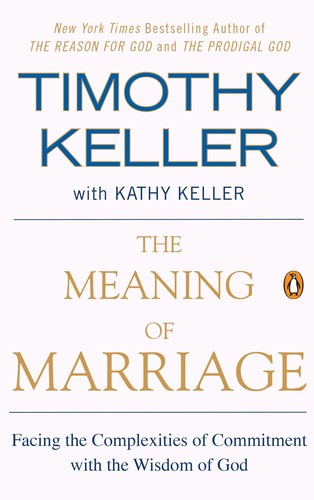
The Meaning of Marriage — Timothy Keller
Keller reframes marriage around covenant love rather than happiness alone — required reading for engaged couples and anyone rethinking commitment.
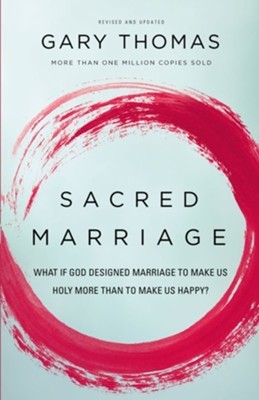
Sacred Marriage — Gary Thomas
What if marriage exists to make you holy more than happy? A candid, well-loved look at marriage as spiritual formation.
NearFaith may earn a small commission on qualifying purchases — at no extra cost to you.