Walk into one church on a Sunday morning and you'll hear a pipe organ playing a hymn written in 1738. Walk into the church across the street and you'll see a full band, haze machines, and LED screens. Both are worshipping the same God. The experience couldn't be more different.
Worship style is often the first thing people notice about a church — and frequently the reason they stay or leave. That's not shallow. How you worship shapes how you experience God, and everyone connects differently. There's no “right” style. There's only the style that helps you engage honestly.
Here's a genuine, no-agenda breakdown of the major worship styles you'll encounter in American churches today.
Traditional worship
Traditional worship follows a structured order of service that has remained largely unchanged for decades (or centuries, depending on the denomination). You'll typically hear hymns accompanied by an organ or piano, sung from a hymnal. The congregation stands to sing, sits for the sermon, and follows a printed bulletin that outlines every element of the service.
The aesthetic is reverent. Pastors often wear robes or suits. The sanctuary has pews, stained glass, and a pulpit. Communion may be served monthly or weekly, depending on the denomination. The overall feeling is one of weight and continuity — you're participating in something that connects you to centuries of Christians before you.
You might love this if:you find beauty in formality, you connect with God through rich theological language, or you grew up singing hymns and find deep comfort in their familiarity. Traditional worship tends to emphasize the transcendence of God — His otherness, His holiness, His grandeur.
Where you'll find it: many Lutheran, Presbyterian, Methodist, Episcopal, and Catholic churches maintain traditional services. Some Baptist churches lean traditional as well, particularly in the South.
Contemporary worship
Contemporary worship is what most people picture when they think of a “modern” church. A worship band (electric guitar, bass, drums, keys, vocals) leads the music. Lyrics are projected on screens. The song catalog draws from artists like Hillsong, Elevation Worship, Bethel Music, and Chris Tomlin. The sound is polished, the lights are intentional, and the atmosphere is designed to be immersive.
Services are less structured than traditional worship. There's no printed bulletin — the service flows organically from worship to announcements to the sermon. The dress code is casual (jeans and sneakers are standard). The pastor typically preaches from a stool or a clear lectern, not a raised pulpit.
You might love this if:you connect with God through music that sounds like what you'd listen to in the car, you prefer a casual atmosphere, or you're new to church and want something that doesn't feel intimidating. Contemporary worship tends to emphasize the intimacy of God — His nearness, His personal care, His accessibility.
Where you'll find it: non-denominational churches, many Baptist churches, Assemblies of God, and most megachurches. Some Methodist and Presbyterian churches offer a contemporary service alongside a traditional one.
Liturgical worship
Liturgical worship follows a fixed order called a liturgy — a scripted sequence of readings, prayers, songs, creeds, and sacraments that the congregation participates in together. The congregation doesn't just watch; they speak, sing, kneel, stand, and respond throughout the service. There's a rhythm to it that becomes deeply familiar over time.
The church calendar drives the content. Advent, Lent, Easter, Pentecost — each season has its own readings, colors, and emphasis. Scripture is read in large portions (often three or four passages per service from across the Old Testament, Psalms, Epistles, and Gospels). Communion (Eucharist) is typically the centerpiece of every service, not an occasional addition.
The space itself is part of the worship. Candles, icons, stained glass, incense, vestments — these aren't decorations. They're visual theology, each element carrying meaning that layered attention will reward.
You might love this if:you're drawn to mystery, beauty, and historical depth. Many people who are burned out on performance-driven worship find renewal in liturgy. There's something grounding about speaking the same words that Christians have spoken for 1,500 years.
Where you'll find it: Catholic, Orthodox, Episcopal, Anglican, and some Lutheran churches. A growing number of non-denominational churches are incorporating liturgical elements as well.
Charismatic worship
Charismatic worship is defined by its emphasis on the active presence of the Holy Spirit. Expect extended musical worship (30 to 45 minutes is common), spontaneous prayer, speaking in tongues, words of prophecy, and physical expressions like raised hands, dancing, kneeling, or laying on of hands for healing.
The energy level is high. The band plays with intensity. Worship leaders may pause mid-song to pray or share what they feel God is saying. Services can run long — 90 minutes to two hours is standard, and some go longer. There's an expectation that God will “show up” in tangible ways during the service.
This style can be startling if you've never experienced it. But for people who connect with God through emotion, physicality, and a sense of the supernatural, charismatic worship can feel profoundly alive in a way that other styles don't.
You might love this if:you're expressive by nature, you want worship that engages your whole body, or you believe in the active gifts of the Spirit (healing, prophecy, tongues) and want a church that practices them.
Where you'll find it: Pentecostal churches, Assemblies of God, Vineyard churches, and many independent charismatic congregations. Some non-denominational churches blend charismatic elements with contemporary style.
Blended worship
Many churches don't fit neatly into one category. Blended worship intentionally mixes elements from different styles — a hymn rearranged with a modern band, a liturgical call-and-response followed by a contemporary song set, a formal communion within a casual service.
The goal is to honor multiple generations and preferences within a single congregation. Done well, blended worship feels cohesive and thoughtful. Done poorly, it can feel like two competing services duct-taped together. The churches that pull this off tend to have music directors with both the skill and the sensitivity to weave styles together without jarring transitions.
You might love this if:you appreciate hymns but also enjoy modern worship music, or you're part of a multigenerational family and want everyone to feel at home in the same service.
A cappella worship
Some traditions worship without instruments entirely. Churches of Christ are the most well-known example. The congregation sings together in four-part harmony — no band, no organ, no piano. Just voices.
The sound is striking. When a room of 200 people sings in harmony without amplification, the effect is raw and communal in a way that a stage performance can't replicate. Every person in the room is a participant, not an audience member.
You might love this if: you value simplicity, you find instruments distracting, or you want worship that feels like something the whole congregation does together rather than something a team performs for you.
How to figure out what fits you
No quiz can tell you your worship style with total certainty — the only way to really know is to experience them. That said, our 2-minute church match quiz is a solid starting point, and if you're also figuring out which theological tradition appeals to you, our guide to church denominations pairs well with this one. Here's a practical approach:
- Visit at least three different styles.Go to a traditional service, a contemporary service, and a liturgical or charismatic service. Give each one a fair shot — at least two visits before deciding.
- Pay attention to your body. Do you feel engaged or restless? Peaceful or anxious? Drawn in or checked out? Your physical response tells you something your mind might rationalize away.
- Separate preference from prejudice.Just because something is unfamiliar doesn't mean it's wrong. Some people discover they love liturgy after a lifetime of contemporary worship — and vice versa. Stay open.
- Remember that style is the vehicle, not the destination. The point of worship is connection with God and community. If a style helps you get there, it's the right one — regardless of whether it's cool or trendy or traditional.
A word about worship wars
Churches have been arguing about worship style since long before the contemporary vs. traditional debate. The early church debated whether Gentile converts needed to follow Jewish worship practices. The Reformation upended centuries of liturgical tradition. Every generation has its version of this tension.
The healthiest perspective: your preferred style is not more spiritual than someone else's. The person who encounters God through Gregorian chant and the person who encounters God through Elevation Worship are both worshipping authentically. Preference is personal. It stops being healthy when it becomes tribal.
Find the style that helps you worship with honesty and consistency. Then let other people find theirs.
Not sure where to start?
Use NearFaith Discover to filter churches by your worship preferences, denomination, and schedule.
Related Articles
A Guide to Church Denominations: Finding Your Fit
Baptist, Methodist, Lutheran, non-denominational — what makes each one different.
What to Expect at Your First Church Visit
A practical overview of what happens so you can walk in with confidence.
10 Questions to Ask When Visiting a New Church
A practical checklist for evaluating whether a church is right for you.
Ready to find your church?
Search thousands of churches by city, zip code, or denomination.
Find a Church Near You →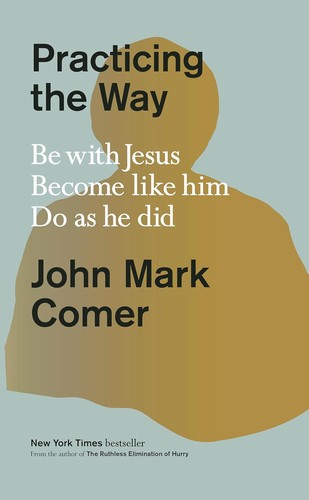
Practicing the Way — John Mark Comer
A field guide to actually becoming like Jesus — practices, not just principles, for people tired of belief without transformation.
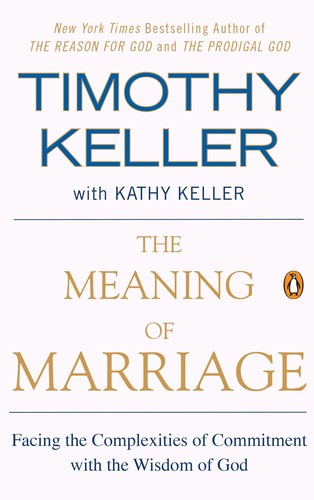
The Meaning of Marriage — Timothy Keller
Keller reframes marriage around covenant love rather than happiness alone — required reading for engaged couples and anyone rethinking commitment.
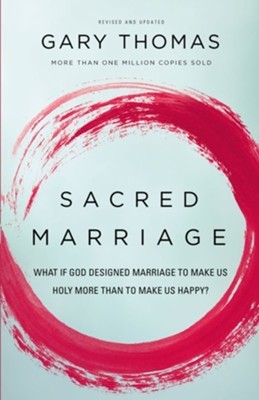
Sacred Marriage — Gary Thomas
What if marriage exists to make you holy more than happy? A candid, well-loved look at marriage as spiritual formation.
NearFaith may earn a small commission on qualifying purchases — at no extra cost to you.