Every church runs on volunteers. The sermon gets the spotlight, but behind it are dozens of people who showed up early to brew coffee, check in kids, run sound, fold bulletins, and unlock the doors. Without them, Sunday doesn't happen.
If you've been attending a church for a while and haven't started serving yet, you're not a bad person. But you're missing something. Volunteering doesn't just help the church — it changes your experience of church. You go from being a spectator to being a stakeholder. You care more because you're invested. You connect faster because you're working alongside people instead of sitting near them.
The question isn't whether to serve. It's where to serve. And with so many options, that decision can feel paralyzing. Here's a practical breakdown of the most common volunteer roles at a typical church, what each one actually involves, and how to figure out which one fits you.
Greeting and hospitality
What you do:stand at the door, say hello, hand out bulletins, point people to the bathroom, help visitors find the kids' area. Some churches also have a hospitality team that manages the coffee bar, sets up snacks, and keeps the lobby welcoming.
Time commitment:arrive 15 to 20 minutes early, stay through the first 10 minutes of service. Most churches rotate greeters so you're serving one or two Sundays per month.
Good fit if:you're naturally warm, you like meeting new people, or you want a low-commitment entry point. This is often the easiest first step into volunteering. No special skills required — just a genuine smile and the willingness to make someone feel welcome.
What people don't realize:greeters are often the first impression a visitor has of the entire church. The greeter who makes eye contact, uses a first name, and walks a nervous visitor to their seat can be the reason that person comes back next week. It's a small role with outsized impact.
Kids' ministry (nursery through elementary)
What you do:check in children, lead activities, teach a Bible lesson, manage snack time, supervise play, and give parents the peace of mind to actually focus during the service. In the nursery, it's more about holding babies and keeping toddlers safe. With older kids, you're leading games, crafts, and simplified Bible teaching.
Time commitment:the full length of the service, plus 15 minutes on each side. Most churches ask for every other week or once a month. Some require a background check (which is a good sign — it means they take child safety seriously).
Good fit if:you enjoy kids, you have patience, and you don't mind a little chaos. Kids' ministry is chronically understaffed at nearly every church. If you volunteer here, you'll be deeply appreciated — and you'll learn more theology from a five-year-old's questions than you expect.
What people don't realize:kids' ministry is one of the top factors in whether families stay at a church. Parents will tolerate mediocre preaching if their kids love Sunday morning. But if the kids' program feels disorganized or unsafe, the family is gone. Your work here directly affects the church's ability to retain families.
Youth ministry (middle and high school)
What you do:help lead the youth group (usually Wednesday nights or Sunday evenings), mentor students, chaperone events, run small group discussions, and generally be a trusted adult in a teenager's life.
Time commitment:varies widely. Some youth volunteers only help with the weekly meeting (2 hours). Others invest more deeply — attending games, texting students during the week, going on mission trips.
Good fit if:you remember what it felt like to be 15 and you want to be the adult you needed at that age. Youth ministry isn't about being cool. It's about being consistent. Students don't need another entertainer. They need an adult who shows up every week, remembers their name, and asks how the math test went.
Worship team (music)
What you do: sing or play an instrument during the worship portion of the service. This includes rehearsals (usually midweek or early Sunday morning), sound checks, and the performance itself.
Time commitment: significant. Expect 2 to 3 hours of rehearsal per week plus the service itself. Most worship teams rotate, so you might serve two or three Sundays per month.
Good fit if:you're musically skilled and you view worship as a calling, not a performance. The best worship team members are the ones who can play with excellence and still keep their ego out of it. If you're not sure whether your skill level is good enough, ask the worship leader — they'll be honest.
Audio, visual, and tech
What you do:run the sound board, manage the projection/lyrics software, operate cameras for livestream, handle lighting, or manage the church's website and social media. This is the behind-the-scenes team that makes everything the congregation experiences actually work.
Time commitment: arrive 30 to 60 minutes early for sound check. Stay through the entire service. Most tech teams rotate weekly or biweekly.
Good fit if:you're technical, detail-oriented, and comfortable working behind the scenes. If you're the kind of person who notices when the lyrics are one slide behind the singer, you belong on this team. Churches are desperate for tech-savvy volunteers — especially younger ones who understand livestreaming and social media.
Setup and teardown crew
What you do:set up chairs, staging, signage, kids' ministry supplies, coffee stations, and everything else the church needs before doors open. After the service, you put it all back. This is especially common for churches that meet in rented spaces like schools, theaters, or community centers.
Time commitment: arrive 60 to 90 minutes before the service. Teardown usually takes 30 to 45 minutes after.
Good fit if:you're a doer, not a talker. You'd rather haul chairs than hold a conversation. Setup crew is physical, unglamorous work — and it's the backbone of portable churches. The camaraderie on these teams is exceptional because you're literally building the church together every week.
Small group leadership
What you do: host a weekly small group in your home (or at the church). Facilitate discussion around a Bible study, sermon series, or book. Coordinate schedules, follow up with members, and create a space where people can be honest.
Time commitment: the group itself is 1.5 to 2 hours per week. Prep and follow-up add another hour or two. Most groups run on a semester cycle (fall, spring).
Good fit if:you're relationally invested, you can facilitate a conversation without dominating it, and you're willing to open your home. You don't need to be a Bible scholar. You need to be someone who cares about people and can ask good questions.
Outreach and missions
What you do: serve the community outside the church walls. This could mean volunteering at a food pantry, organizing a neighborhood cleanup, serving meals at a shelter, participating in a prison ministry, or going on a short-term mission trip.
Time commitment: ranges from a few hours per month (local outreach) to a week or two per year (mission trips).
Good fit if:you care about justice, you want your faith to have tangible impact, and you want to serve people who aren't sitting in the pews. Outreach volunteers often say this is where their faith feels most alive — because you're literally doing the things Jesus talked about.
Parking and security
What you do: direct traffic, help people find parking, keep an eye on the building during services, and serve as a first responder if something goes wrong. In larger churches, this team includes trained safety personnel.
Time commitment: arrive 30 minutes early, serve through the service. Often outdoors in all weather.
Good fit if:you're observant, calm under pressure, and don't mind standing for an hour in the rain. This is one of the least visible volunteer roles — and one of the most important. The person who notices a confused visitor in the parking lot and walks them to the door can change that visitor's entire experience.
How to choose the right role
If you're paralyzed by options, here's a simple framework. And if you're still figuring out how to get more generally connected at your church, 7 best ways to get involved covers the full picture — from small groups to serving teams to newcomer events:
- Start with what you're good at.If you're a software engineer, the tech team is a natural fit. If you're a teacher, kids' ministry will come naturally. Your skills matter — use them.
- Consider your schedule. If you travel for work and can only commit once a month, greeting is better than worship team. Be realistic about what you can sustain.
- Try before you commit. Most churches let you shadow a team for a few weeks before officially joining. Take advantage of that.
- Don't overthink it.The “perfect” volunteer role doesn't exist. Pick something, try it for a season, and switch if it's not right. Moving is better than waiting.
Avoiding volunteer burnout
A word of caution: don't say yes to everything. Churches tend to overload their most reliable volunteers because it's easier to ask someone who always says yes than to recruit someone new. If you're serving on three teams, leading a small group, and attending every event, you're going to burn out — and when you do, you won't just step back from serving. You'll step back from church entirely.
Healthy serving looks like one primary role with a sustainable rhythm. Serve with joy, not obligation. If it starts feeling like a job, take a season off. The church will survive without you for a few months — and you'll come back refreshed.
The best volunteers aren't the ones who do the most. They're the ones who show up consistently, serve with a good attitude, and keep going for years. Sustainability beats intensity every time.
Find a church where you can serve
NearFaith helps you find churches near you with volunteer opportunities, service times, and community info — so you can find the right place to use your gifts.
Related Articles
7 Best Ways to Get Involved at a New Church
Practical ways to go from visitor to connected at your new church.
How to Support Your Pastor and Church Leaders
Practical ways to encourage the people leading your church.
How to Build Meaningful Friendships at Church
Moving past small talk to genuine relationships in your faith community.
Ready to find your church?
Search thousands of churches by city, zip code, or denomination.
Find a Church Near You →
The Biggest Story — Kevin DeYoung
The whole sweep of Scripture told as one story for kids, from Eden to the empty tomb — illustrations kids actually ask to see again.

Indescribable — Louie Giglio
100 devotions pairing big astronomy facts with an even bigger God — a favorite for family devotions with curious kids.
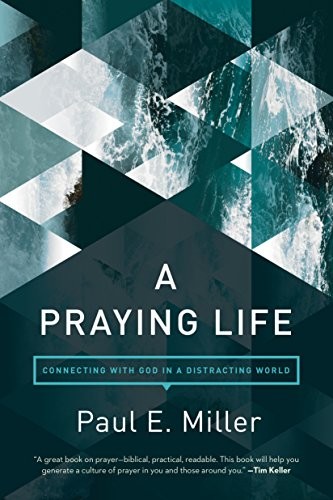
A Praying Life — Paul E. Miller
For anyone whose prayer life feels dry or dutiful — a gentle, practical reset that treats prayer like talking to a Father, not filing a report.
NearFaith may earn a small commission on qualifying purchases — at no extra cost to you.